It’s a common criticism of the modern entertainment industry that the only movies and video games releasing right now are either sequels to well-established IPs, or remakes of them, and that’s not entirely untrue. While the video game industry does see hundreds of brand-new indie titles release every year, its primary releases are often sequels and remakes. In 2023 alone, two of the most anticipated titles areMarvel’s Spider-Man 2and theResident Evil 4 Remake. So, with so many sequels releasing, there’s always the possibility of them falling into the “Sequel displacement” trope.
Whilethe “Sequel displacement” gaming tropecan be found throughout industry history, it’s most prevalent in the late 1990s and early-mid 2000s, where sequels would often mark a vast departure from previous entries in the series, either in terms of gameplay, story, or both. The “Sequel displacement trope” isn’t necessarily a bad thing, but it can occasionally make a fan reluctant to experience important entries in the franchise.
RELATED:The ‘Die, Chair, Die!’ Gaming Trope Explained
The Sequel Displacement Gaming Trope Explained
The “Sequel displacement” trope is often used to describe when a new entry releases in a long-running franchise, and that entry vastly outperforms its predecessors. This new entry then becomes incredibly popular, and essentially wipes out the previous entries' existence. While gamers will still likely have knowledge that prior entries in the franchise exist, they might be reluctant to try those due to the sequel greatly overshadowing them.
This is often the case with a sequel that improves on its predecessor in many significant ways, sometimes even changing the game’s formula completely. This can mean a new control scheme, a new camera perspective, and even a new gameplay genre altogether. Graphics also usually play a big role in the “Sequel displacement” trope, with gamers often being reluctant to visit an older entry in a series if it hasoutdated graphics or framerates.

The Best Examples of the Sequel Displacement Trope in Gaming
One of the best examples of the trope isGrand Theft Auto 3. First released in 1997,Grand Theft Autodebuted as a top-down action game. While it still had the same general gameplay loop as the rest of the franchise – albeit a barebones one of activating a mission, stealing a car, heading to the checkpoint, and killing a person – the firstGrand Theft Autobarely resembles the franchise as it’s known today, and the first entry to break out of the mold wasGrand Theft Auto 3. One of the very first free-roam open-world games,GTA3vastly overshadowed its predecessors, and modern-day fans are extremely unlikely to have ever played those original two top-down entries.
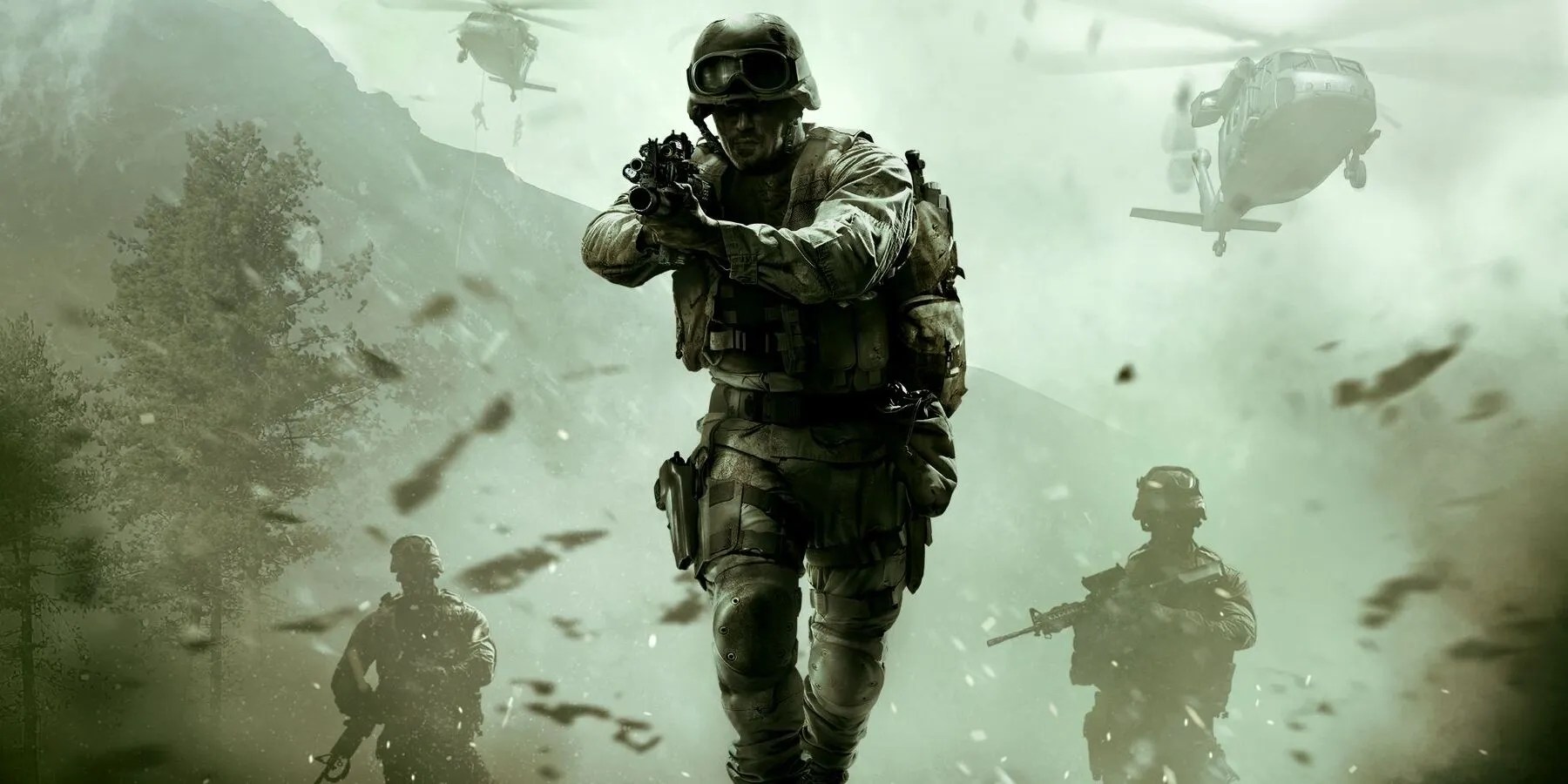
Call of Duty 4: Modern Warfareis another great example of the trope. WhileCall of Duty 4shares the same DNA as its previous entries, it was the game that really put theCall of Dutyname in the public eye, with an online multiplayer mode that redefined the multiplayer shooter genre.Metal Gear Solidis a similar tale; most fans have likely never playedthe originalMetal Gearseriesdue to its completely different gameplay style and visual presentation.
TheElder Scrollsseries is a particularly interesting example of this trope, with practically every entry being its own form of sequel displacement.WhenElder Scrolls 3: Morrowindcame out, it was so advanced that it could hardly be compared to the first two games. Then, whenOblivionreleased, it managed to grab more attention than the series ever had before. ForSkyrim, that was even more so the case, managing to bring in more players than the series ever had before, and essentially overwriting the IP in the eyes of new fans.
